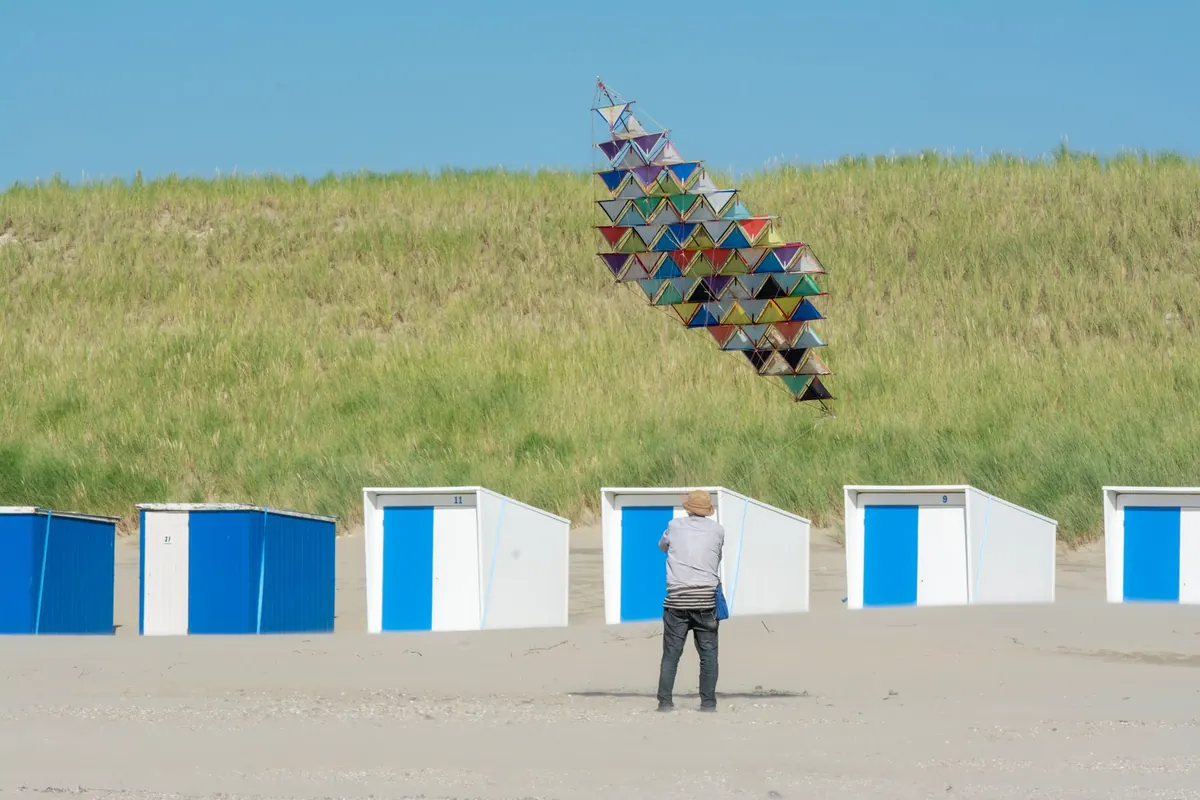
British kite festivals are a strange and wonderful thing. You drive two hours to a windy field, stand in wellies eating a bacon roll, and watch a sixty-foot octopus attempt to escape over the Chilterns. The season runs from the first usable March breeze through to frosty indoor meets in December, and the vast majority of events cost nothing to walk into. What follows is how the year tends to unfold, what each kind of event offers, and what to pack so you spend more time flying and less time hunting for a missing spar in the grass.
One caveat before you plan anything: festival dates shift. Organisers confirm them anywhere between January and April, and a few events skip a year entirely. Always check the organiser's own page in the week before you travel.
March and April: The Season Wakes Up
Spring belongs to the club fly-in rather than the full-blown festival. These are informal gatherings on a local common or country park, advertised quietly, attended by people who own more kites than they can carry in one trip. Streatham Common's kite day has traditionally fallen in this window, and National Trust sites such as Dunstable Downs often run Easter weekend kite activities with a making table for children.
Conditions are honest but brutal: long wet grass, cold hands, and air that is either completely still or gusting hard enough to fold a delta in half. Bring boots rather than trainers, and pack something that copes with a wide wind range. Big soft inflatables will simply sulk on the ground in three miles per hour.
May and June: Beaches, Bank Holidays and Half-Term
May's two bank holidays are the first realistic chance of a proper weekend of flying. Coastal festivals such as Cleethorpes and Redcar have long used late May and June, and half-term family days add kite-making tables, bubble displays and a designated novice area.
On the coast, the sea breeze usually fills in around midday and builds through the afternoon, which is wonderful for power kites and less wonderful for anything delicate. Inland it is the opposite: the calmest air is early morning and the last hour before dusk, with thermals chopping things up in between.
What to expect at a beach event
- Sand in everything, including your line winder and your sandwiches.
- Parking that fills by mid-morning; arrive early or accept a long walk.
- Trade stands where you can handle a kite before buying it, which beats guessing online.
- Wind that changes direction by thirty degrees without warning.
July: Peak Season Begins
July is when the calendar thickens. Sunderland's festival at Herrington Country Park and Brighton's kite weekend have typically landed in this month, and with daylight lasting until nearly ten in the evening, flying carries on long after the arena displays finish.
This is the month for night flies, where illuminated kites drift against a darkening sky and someone always plays music that does not quite match. Take a head torch, a jumper for after sunset, and a spare set of line in case the wind picks up while you are distracted.
August: The Big Festival Weekends
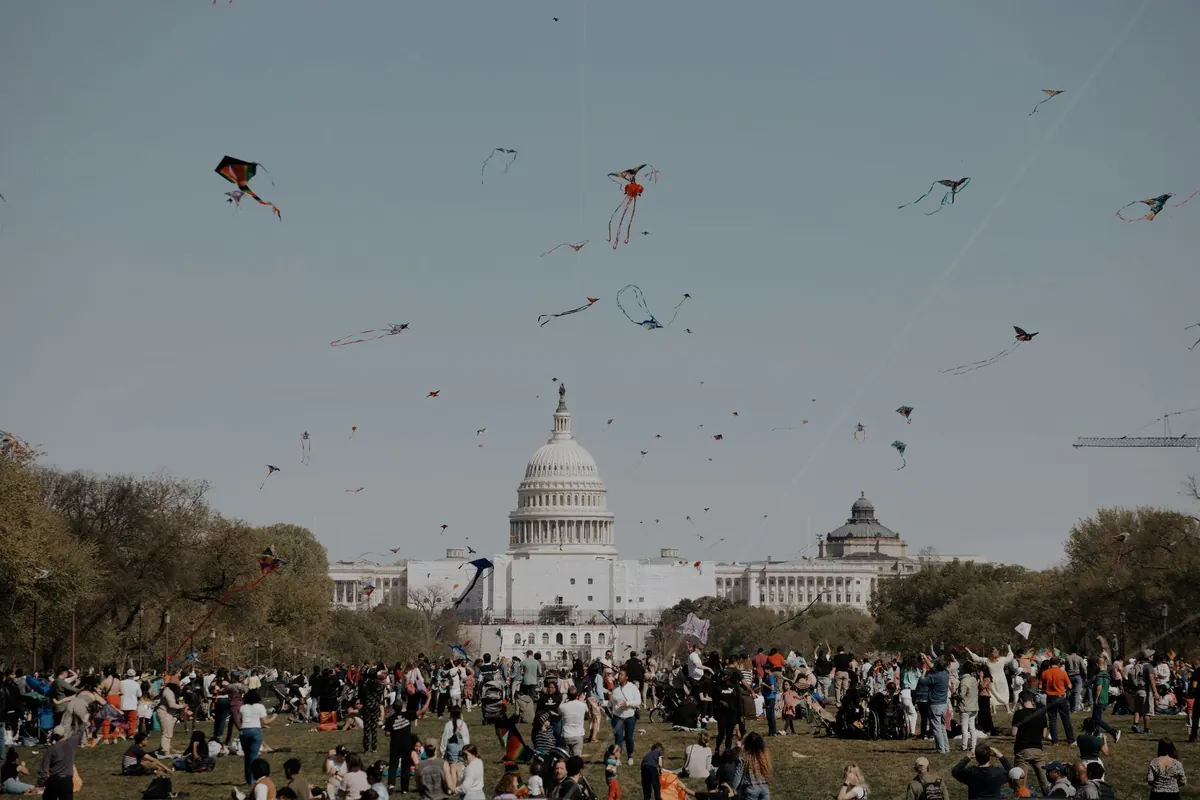
The two giants of the British calendar usually fall in August: Bristol's international festival on the Ashton Court estate, and Portsmouth's on Southsea Common. Both draw international teams, and both are worth the traffic.
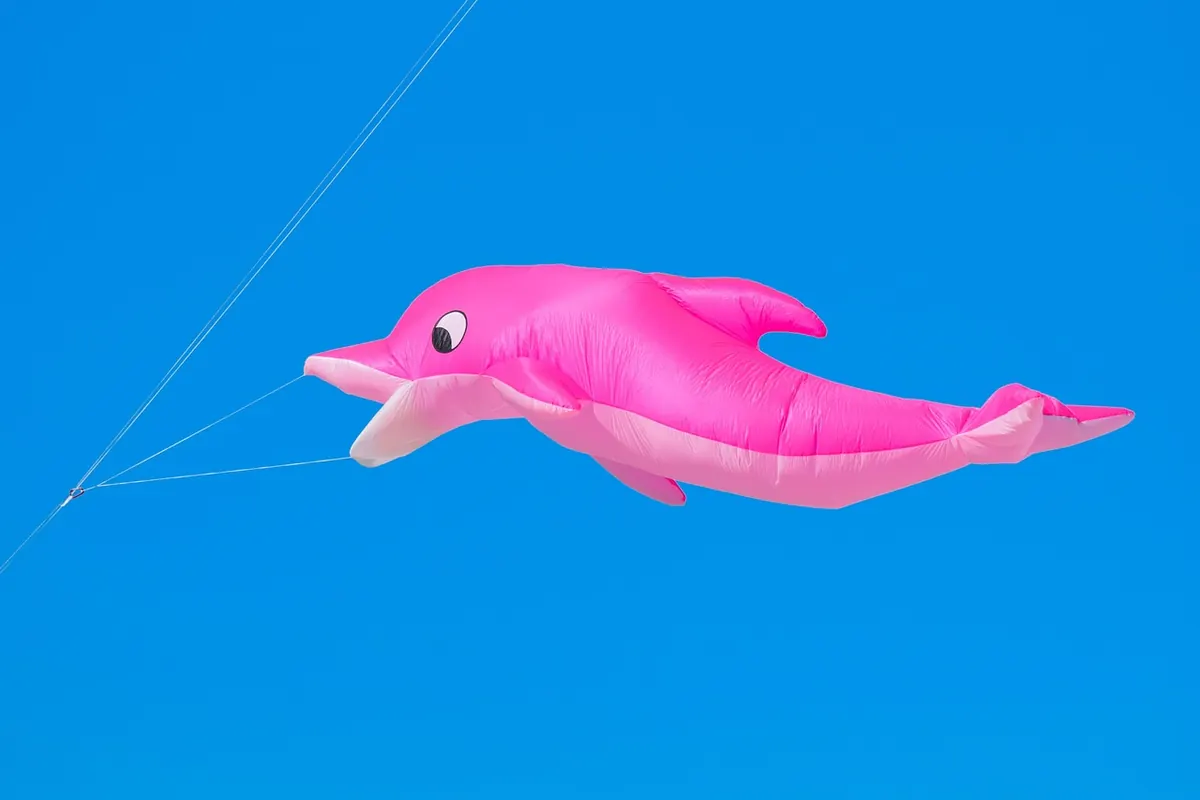
Expect synchronised team flying to music, Rokkaku battles where Japanese-style six-sided kites are deliberately tangled and fought out of the sky, enormous kite trains, and giant character kites that need a dozen people to launch. Traders sell everything from children's first delta to competition-grade line sets.
Practical advice: arrive before ten, park where you can leave without a three-point turn in a mud bath, and take cash for the ice cream van. Accommodation near these events books out weeks ahead, so if you are staying over, decide early.
September and October: Quieter Skies, Better Flying
Autumn is the connoisseur's season. The events are smaller, the wind is steadier, and the light is soft enough to make kite photography genuinely easy. St Anne's on the Lancashire coast has traditionally hosted a September festival with a strong emphasis on display flying rather than crowds, and inland sites such as Dunstable Downs often hold autumn kite days.
The trade-off is ground conditions. Grass gets heavy and dew-soaked, and by late October the field can be genuinely wet underfoot. Wear waterproof boots, take a bin bag to sit on, and be prepared for the wind to drop entirely for twenty minutes before returning with enthusiasm.
Winter: Indoor Meets, Frost Flyers and Planning
From November to February the flying moves indoors. Sports halls host indoor kite sessions where tiny, frameless or ultra-light kites are flown on short lines with no wind at all — it is far harder than it looks and a brilliant way to improve your control. Some clubs run kite-building workshops alongside them.
There is also a hardy tradition of the frost flyer: a crisp, clear New Year's Day on a village recreation ground, cold dense air giving excellent lift and everyone's fingers giving up after forty minutes. Festival dates for the coming year usually start appearing online in late winter, which is the moment to start blocking out weekends.
What to Take to Any Festival
- Two kites, not one. A light-wind and a stronger-wind option covers most British days.
- Spare line set and winder. Line wears, tangles and occasionally gets cut by someone else's.
- Kite killers. Essential if you fly anything with pull, and required by many organisers.
- Gloves and a wind meter — or a wind app on your phone.
- Small repair kit: duct tape, spare spars, scissors, a couple of zip ties.
- Layers, waterproof jacket, boots, sun cream and a hat. British weather does both in one afternoon.
- Water, snacks, cash and a folding chair or blanket.
- Ground stake and a bin bag for a wet kite at the end of the day.
Before You Set Off
- Check the organiser's page for confirmed dates, times and any entry or parking charge.
- Look at the wind forecast. Under five miles per hour means light-wind gear; over twenty means small kites and heavy lines.
- Plan to arrive early, especially at coastal sites with limited parking.
- Read the site rules on line length and flying areas, and keep well clear of airports, roads, railways, power lines, crowds and dogs.
If you are flying anything large, heavy or tethered, ask the organisers first and follow local restrictions. Most festival teams are happy to talk through what they are flying and how it is set up — that conversation is often the best part of the day.
Photo: Hner Zibari / Pexels