Where Can You Legally Fly a Kite in the UK? Parks, Beaches and Bylaws
There's a moment every kite flyer knows. The kite is out of the bag, the wind looks promising, and then you spot the sign on the gate: no ball games, no kite flying. Or a warden heading across the field towards you.
Kite flying is not banned in the UK. No national law stops you flying a kite in a park or on a beach. What governs it is a patchwork of local bylaws, landowner policies and a handful of aviation rules — and almost all of it comes back to one question: whose land are you standing on, and what have they decided?
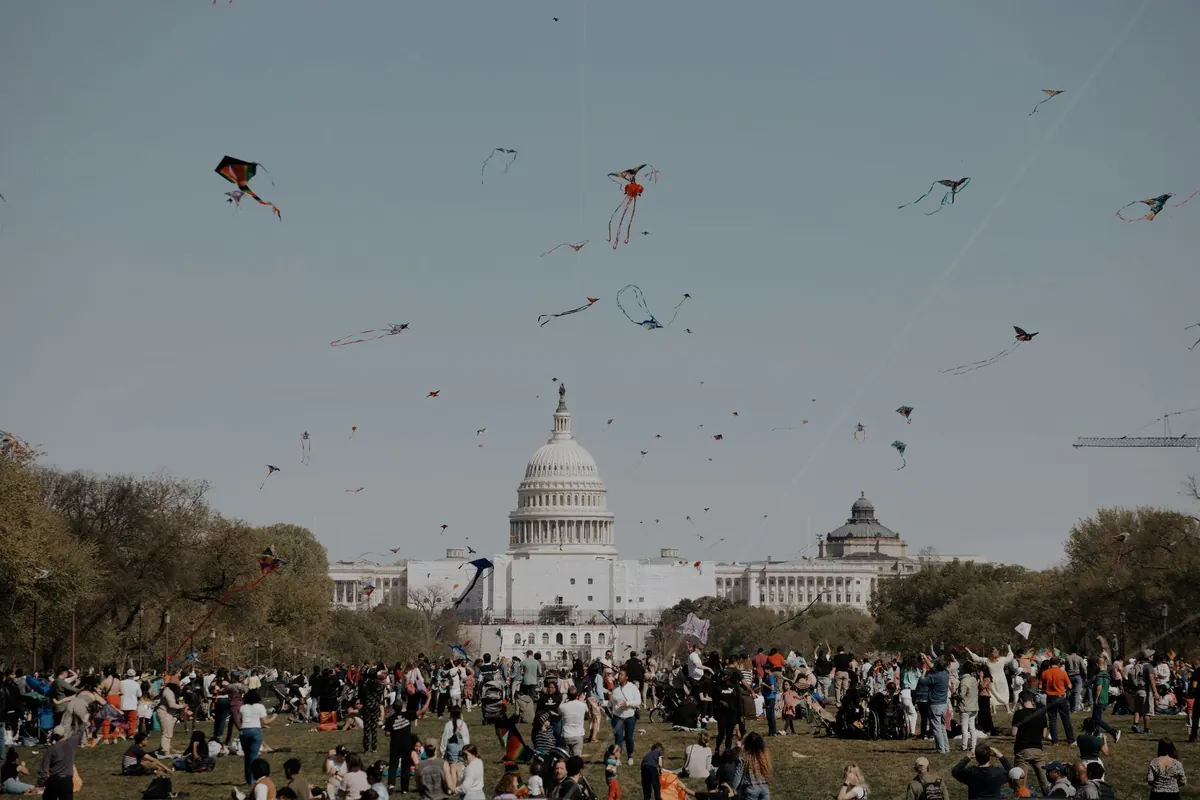
Plenty of places welcome kites. The trick is checking before you go, so you spend the afternoon flying rather than apologising.
The starting point: permission, not right
In England, Wales and Northern Ireland, access to land for recreation generally depends on the owner's permission. Public parks are usually owned by the council, which sets bylaws covering what you can and cannot do there. Country parks, forests and stretches of coast may belong to a council, a charity, a private estate or a government body — each with its own rules.
Scotland works differently. Under the Land Reform (Scotland) Act 2003 there is a right of responsible access to most land and inland water, including for kite flying, provided you follow the Scottish Outdoor Access Code. That right does not extend to buildings, private gardens or working sites such as farmyards.
Rule of thumb: if there is a gate, a fence, a sign or a warden, there is almost certainly a rule. Read it before you unzip the kite bag.
Council parks and local bylaws
Bylaws are intensely local. One council may allow kites across every park in its area; the neighbouring authority may ban them in formal gardens, cemeteries and nature reserves. Many bylaws never mention kites at all but prohibit "games" or "the flying of model aircraft", which can be read either way depending on who is enforcing it.
Watch for restrictions in these places in particular:
- Formal gardens and ornamental lawns, where lines and ground stakes damage planting.
- Sports pitches during matches or training — a kite drifting across a rugby pitch is a genuine safety problem.
- Play areas and paddling pools, where children and kite lines do not mix.
- Nature reserves, local wildlife sites and Sites of Special Scientific Interest.
- Cemeteries, churchyards and memorial gardens.
- Anywhere a fair, market or event is being set up.
The quickest check is the council website: search for the park name plus "bylaws" or "open spaces" and look for a downloadable document. Failing that, ring the parks department and ask a direct question — can I fly a kite on this field on a Saturday morning? Noticeboards at park entrances often reproduce the relevant rule, though they are not always up to date.
What if the bylaw is vague?
Vague wording is common. A rule against "games" may be aimed at football and cricket, not a single child with a diamond kite. A ban on "model aircraft" may be intended for powered planes and drones, not a static kite. That does not give you a free pass. If a warden asks you to stop, the practical answer is to stop, pack up politely and take the question to the council later. Arguing on the grass rarely ends well, and a calm email to the parks team can produce a clear answer for your next visit.
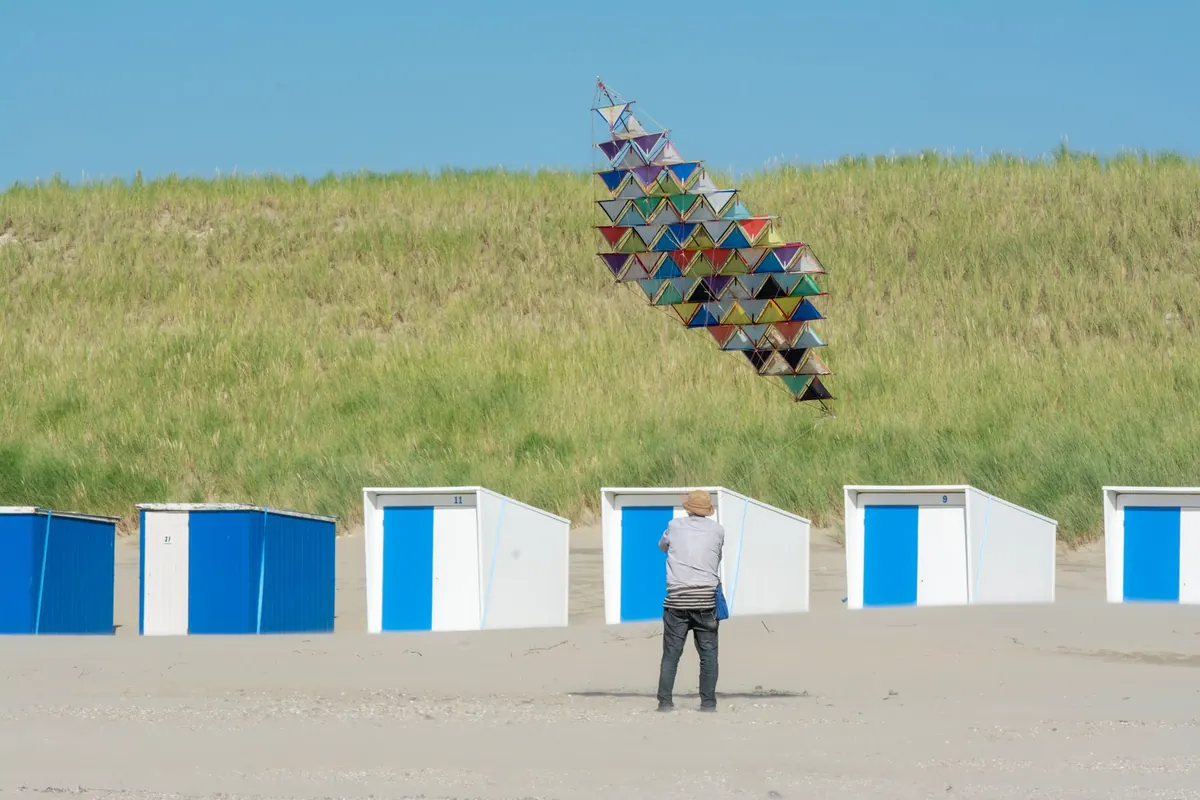
Beaches: usually the best option
For clean, unobstructed wind, nothing beats a beach. In England, Wales and Northern Ireland much of the foreshore belongs to the Crown Estate, which generally allows public access but often leases day-to-day management to local councils, port authorities or conservation bodies. That means a beach can feel wide open and public while still being covered by local rules.
Most beaches tolerate or welcome kites, especially outside peak season and away from crowded swimming zones. But there are real exceptions. Some resorts ban kites on the main promenade beach in summer. Others restrict them near piers, lifeguard stations, harbour walls, nature reserves and bird nesting areas. Military ranges and firing ranges can close entire stretches of coast, sometimes with red flags or warning signs. Sand dunes are fragile and often protected, so keep lines and feet off the vegetation.
How to choose a beach
- Check the council's beach page for seasonal bans, dog zones, and event closures.
- Look for a long, empty stretch of sand with no swimmers directly downwind.
- Stay well clear of piers, jetties, power lines, car parks and busy promenades.
- Give birds and seals a wide berth, especially in nesting or pupping season.
- Check the tide. A kite is no use if your launch spot disappears under water.
Scotland's beaches are often more open under access legislation, but the same safety and conservation rules apply. In Northern Ireland, many beaches are managed by local councils or the National Trust, so check before you travel.
Aviation rules: when a kite becomes an aircraft
Kites are treated as aircraft under UK aviation law. That sounds dramatic, but the practical rules are simple. Do not fly a kite in a way that endangers aircraft, people or property. Do not fly within 5 kilometres of an aerodrome or airport without permission, and do not fly above 60 metres (about 200 feet) above ground level. If you are near a military airfield, gliding site or helicopter landing area, move further away.
Other no-go zones include near power lines, railway lines, motorways and busy roads. A kite line is almost invisible and can cause a serious accident if it crosses a road or a track. If your kite comes loose, do not chase it into danger. Let it go, tell others if it is trailing a line, and recover it only when it is safe.
Kite festivals, clubs and dedicated fields
One of the easiest ways to fly legally is to join the crowd. Kite festivals often secure permission for large launches, display teams and public flying. They also concentrate experience: you can ask local flyers where they go on an ordinary weekend and which parks have informal agreements with the council.
Clubs are useful for another reason. Some councils are more comfortable granting access to an organised group with public liability insurance than to individual flyers. If you fly large power kites, traction kites or anything with a strong pull, club membership and insurance are sensible. Even for a simple single-line kite, a club can point you to a field that is known to be friendly to kites.
What to do if someone asks you to stop
Stay polite. Ask which rule applies and who manages the land. If they are a council warden, park ranger or landowner's representative, treat their instruction as final for the day. Pack the kite down carefully, especially if the line is under tension. You can follow up later with the council or landowner to get a written answer.
If you believe a rule is being misapplied, gather details: the location, date, time, the wording on any sign, and the name of the person you spoke to. Then make your case calmly. In many cases, the person enforcing the rule is simply applying a general "no games" bylaw and has no specific policy on kites. A polite query can lead to clarification — or even a designated kite area.
Quick pre-flight checklist
- Check the landowner. Council, National Trust, Crown Estate, private estate, or unknown?
- Check local bylaws. Search the council website and look for signs at the entrance.
- Check the weather. Wind speed, gusts, rain and visibility all matter.
- Check the space. Look up for power lines, downwind for people, and around for roads.
- Check aviation. Are you within 5 km of an airfield? Keep below 60 metres.
- Check wildlife and other users. Give birds, livestock, swimmers and sports pitches room.
- Fly considerately. Keep lines low when others are near, and never leave a kite unattended.
The best kite field is not always the biggest one. It is the one where you know the rules, the wind is clean, and nobody has to ask you to leave.
Kite flying in the UK is rarely about a single national ban. It is about local consent. Do a little homework, choose your spot with care, and you will find that parks, beaches and open country still offer plenty of sky.
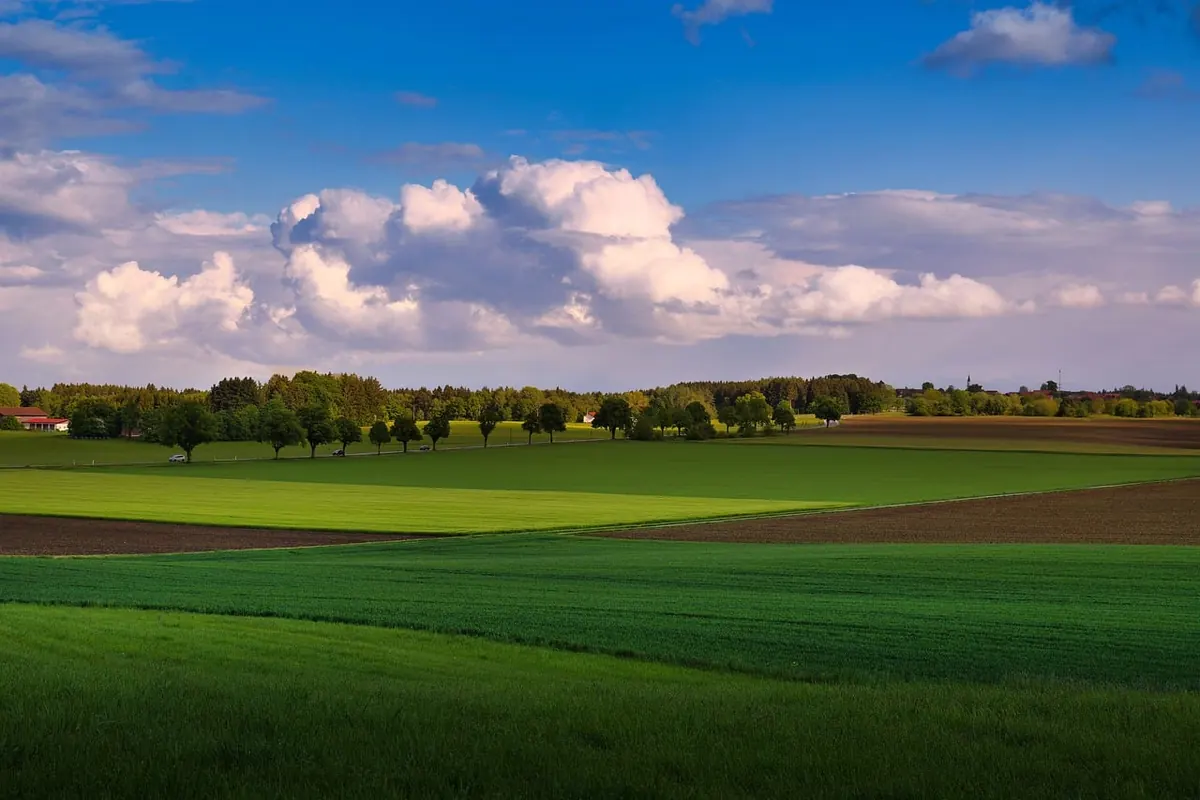
Photo: fietzfotos / Pixabay