The first cold Saturday of November usually catches people out. You rig the same kite you flew all summer, launch into what feels like a modest breeze, and it pulls like something half again its size. Nothing has changed except the air. Autumn and winter do not only make flying less comfortable; they alter the physics and the practicalities, and a setup that behaved beautifully in July can feel wrong by Bonfire Night.
The compensation is that the cold months are often the quietest and most rewarding flying of the year: empty fields, clean light, and a breeze with some purpose in it. A handful of adjustments will keep you flying from September through to the first warm weekend of spring.
Cold air is denser, and your kite will notice
Air thickens as it cools. All else being equal, a drop from a mild 20°C to a crisp 5°C makes the air roughly five per cent denser, and dense air generates more lift for the same wind speed. In practice, a kite will launch in less wind than its quoted bottom end — but it will also reach the top of its range sooner, and it will pull harder once it is up there.
Two consequences matter. First, your arms, shoulders and back are doing more work than the same wind speed demanded in summer, so shorten sessions, take breaks, and consider a harness or trim strap if you fly power kites. Second, the whole airframe is under more load: lines tighter, spars more deeply bent, bridles working harder. Check leading-edge seams, spreaders and plastic connectors before you fly, and retire anything that has been whacked once too often on frozen ground.
Winter gusts have sharper edges
Cold-season wind tends to arrive in pulses. The gap between the lull and the peak of a gust is often wider than in summer, and a passing front can shift direction noticeably in minutes. That is what turns a pleasant session into a scrap.
Choose kites that shrug things off. A well-trimmed delta, a stable foil, or a single-liner with a long tail copes with lumpy air far better than a twitchy, high-aspect design that needs steady flow. If you are flying at the top of the kite's range in gusty air, you are one unlucky pulse away from a broken spar or a long walk.
Your usual site may have changed character, too. Hedges and trees that softened the wind in June have lost their leaves, so a field that felt sheltered can now be exposed and turbulent. Walk the site once at the start of the season and look again.
Reading the wind without a gadget
- Tree tops: if the crowns are swaying while the grass barely moves, expect strong gusts at height and a lumpy ride.
- Puddles and ponds: ripples appear and fade with each gust. Watch the pattern for a minute before launching.
- Smoke and flags: the steadiest indicators you will find. A flag that snaps then hangs means gusty, not necessarily strong.
- Your own face: a cold wind on bare skin is a rough but useful gauge, and the change in pressure warns you a gust is coming.
- The line: one that hums and slackens in rhythm is telling you the wind is pulsing. Fly higher, or land.
Lines, knots and cold fingers
Synthetic flying lines stiffen when the temperature drops. Coils hold their shape, tangles happen more easily, and fine knots become genuinely awkward. Nylon lines can change length slightly with cold and damp, so re-check your trim rather than assuming last week's settings still apply.
Lay lines out rather than letting them flake onto frosty ground, walk them out methodically, and keep spare winders in a pocket instead of dropping them in wet grass. Do the fiddly work indoors where you can feel your fingertips: pre-tie loops, fit and check bridle connections at home, and leave only the simple jobs for the field.
Cold also makes plastics less forgiving. Let a kite that has spent the night in the car come up to temperature before forcing a ferrule into a spar.
Hands, layers and the small comforts
Losing feeling in your fingers costs you control, and control is what keeps a kite out of a tree. Thin liner gloves under windproof mittens work well: wear the mittens while walking out and setting up, then swap to the liners for flying. Chemical hand warmers in a chest pocket are cheap insurance.
- A windproof outer layer beats bulk. Loose scarves and dangling drawcords are snagging hazards near lines.
- Metal handles and carabiners feel bitterly cold — wear gloves or wrap them.
- Flying lines can cut through cold, numb skin before you notice. Treat any line under tension as sharp.
- Take a flask and a dry towel. A warm drink does more for a session than another layer.
A sensible note: cold air plus hard physical effort is a demanding combination, particularly if you have a heart or lung condition. If you are unsure whether long winter sessions are wise for you, speak to your GP.
Shorter days, low sun and seeing your kite
Half the battle in winter is light. Plan to be packed up well before sunset rather than flying to the last minute — allow a clear half hour of daylight at the end, with a head torch in the bag for the walk back. Low, bright sun is the other problem: looking up into it is uncomfortable and hides the kite completely. Fly with the sun behind you or to one side, and pick colours that stand out. Pale kites read well against dark cloud, dark ones against bright
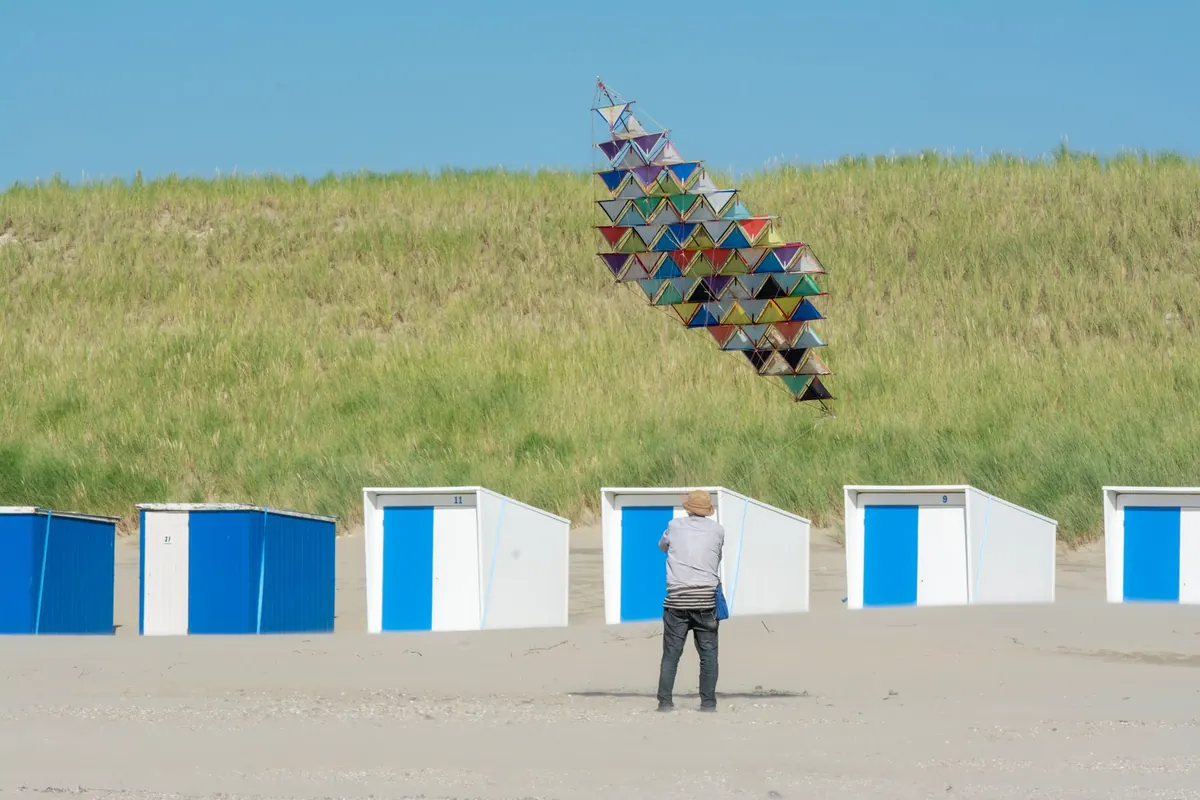
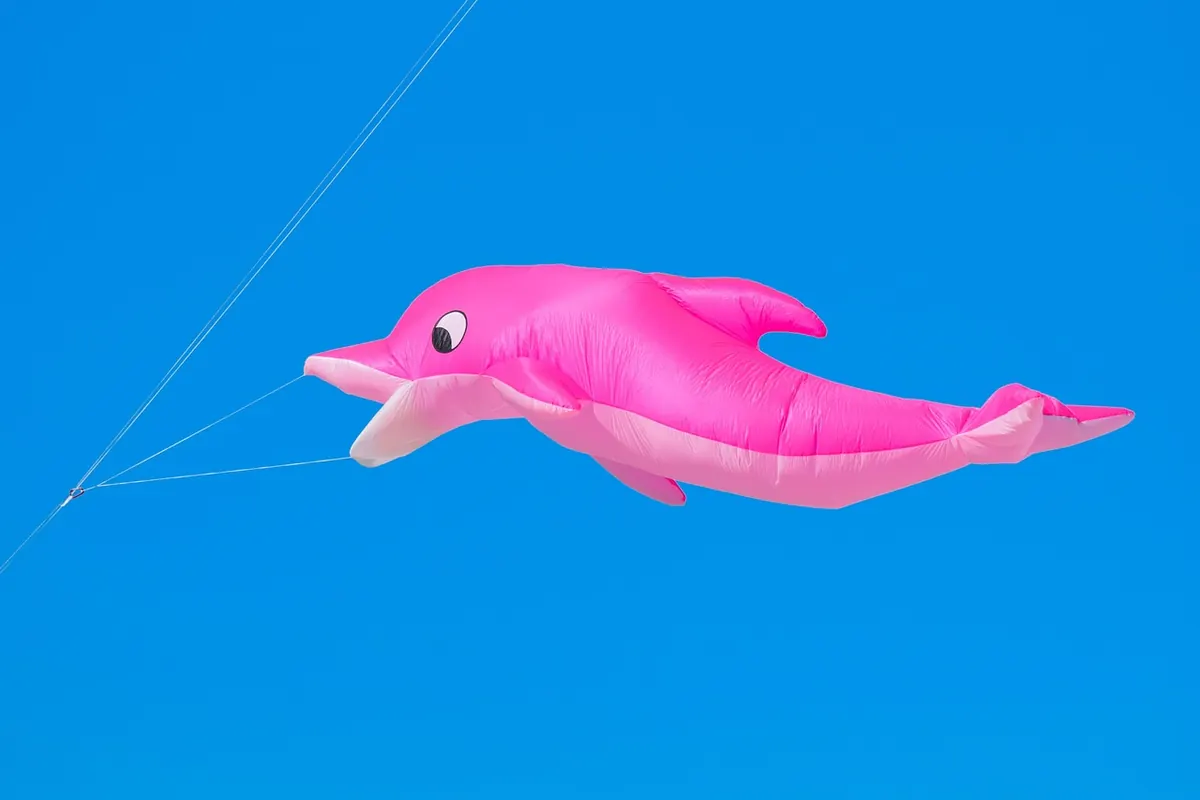
Photo: Ben_Kerckx / Pixabay